


Step 1: MOTOR REMOVAL AND TRANSPORTING
MOTOR REMOVAL
TILLER HANDLE MODEL
- Make sure that the engine has stopped completely.
- Remove the fuel hose from the motor.
- Remove the motor cover.
- Drain the gasoline from the engine fuel line as follows:
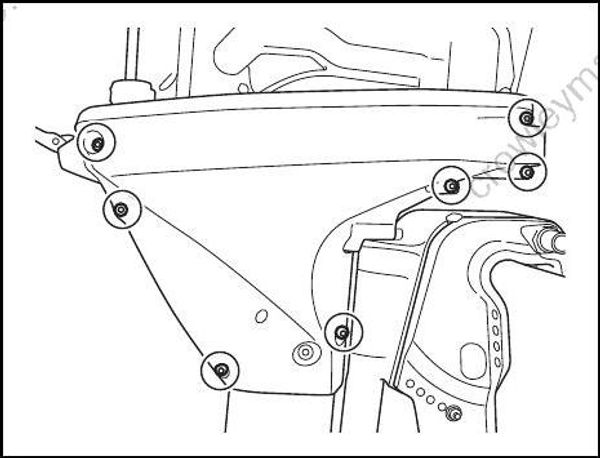
(1) Remove the seven (7) bolts using 8 mm box wrench, then remove the starboard side cover.
(2) Tilt the motor fully down.
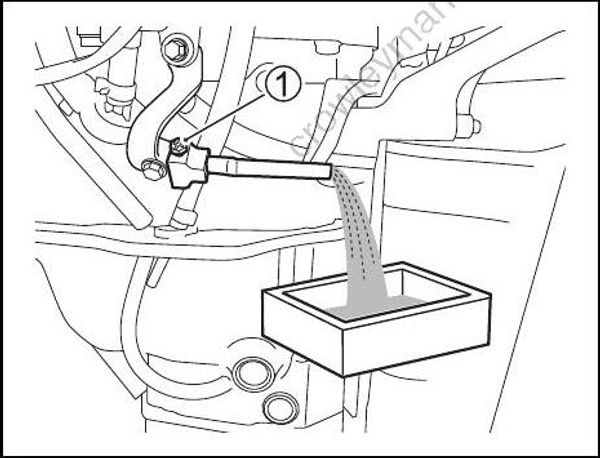
(3) Loosen the drain screw (1) and drain the gasoline from fuel vapor separator into a suitable container.
Gasoline is extremely flammable and toxic. It can cause a fire and can be hazardous to people and pets.
Use a proper, safe container to store any gasoline drained from the outboard motor. Keep gasoline away from sparks, flames, people, and pets.
(4) After draining completely, retighten drain screw (1).
- Install the starboard side cover.
- Install the motor cover.
- Remove the mounting bolts.
- Loosen the clamp screws.
- Lift the motor off the transom.
- Stand the motor vertically and drain the water from the lower unit.
- To carry, hold the motor by gripping the tiller handle bracket and engine side cover.
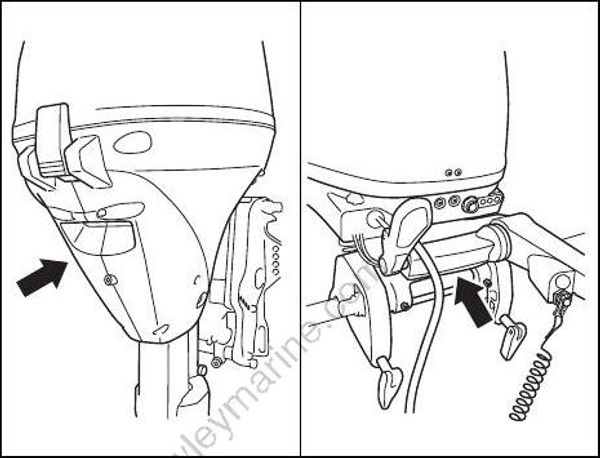
REMOTE CONTROL MODEL
If it is necessary to remove the outboard motor from your boat, we recommend that you ask your authorized Suzuki Marine Dealer to do the work for you.
MOTOR TRANSPORTING
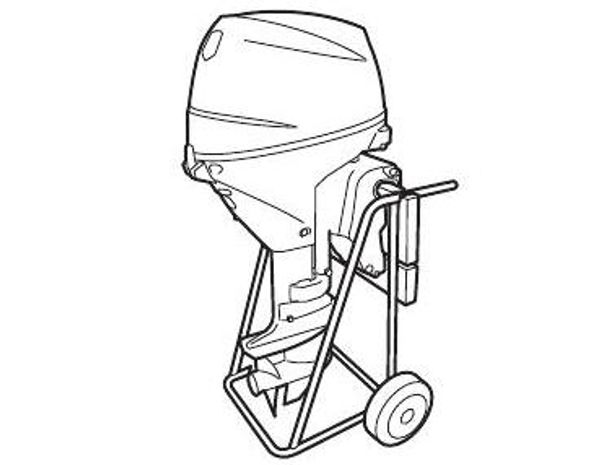
When transporting the motor, place the motor either vertically or horizontally.
Vertical transport:
Attach the motor to the carrier by securing clamp bracket with two clamp screws.
Never use display stand for transportation of the motor.
Horizontal transport:
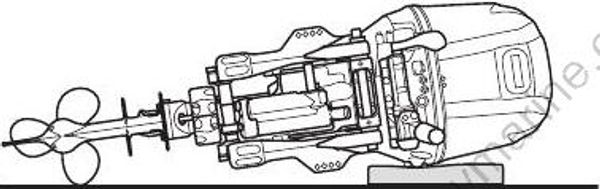
- Drain the gasoline from the engine fuel line. Refer to the MOTOR REMOVAL section.
- Raise the tiller handle and rest the motor on a case protector with the port side down wards as shown.
Spilled fuel or fuel vapor can cause a fire and is hazardous to health.
Always take the following precautions:
• Drain the fuel from the fuel line and fuel vapor separator before transporting the boat/outboard motor and before removing the motor from the boat.
• DO NOT lay motor on its side without draining fuel.
• Keep the motor away from open flames or sparks.
• Wipe up spilled fuel immediately.
If you do not take proper precautions when transporting your outboard, it can be damaged. If you do not take proper precautions when transporting your outboard, it can be damaged.
• Do not rest the engine in any of the positions shown below, as water and oil may enter the cylinder through the exhaust port or the outer casings may be damaged.
• Do not place the engine on its side before the cooling water has drained from it completely, as water may enter the cylinder through the exhaust port and cause problems.
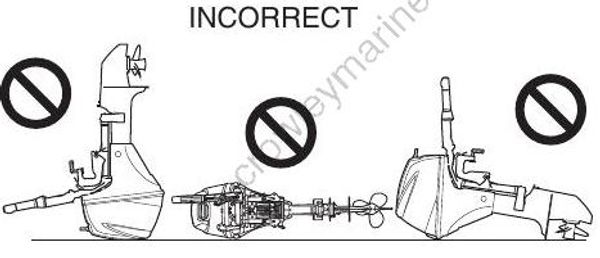
If you let the lower unit of your outboard sit higher than the power head during transporting or storing, water may trickle into the power head, causing damage to the engine.
Never let the lower unit sit higher than the power head when transporting or storing your outboard.
Step 2: TRAILERING
When trailering your boat with the motor attached, keep the motor in the normal operating position unless there is not enough ground clearance. If you need more ground clearance, trailer the motor in a tilted position using a transom saver bar or similar device to support the weight of the motor.
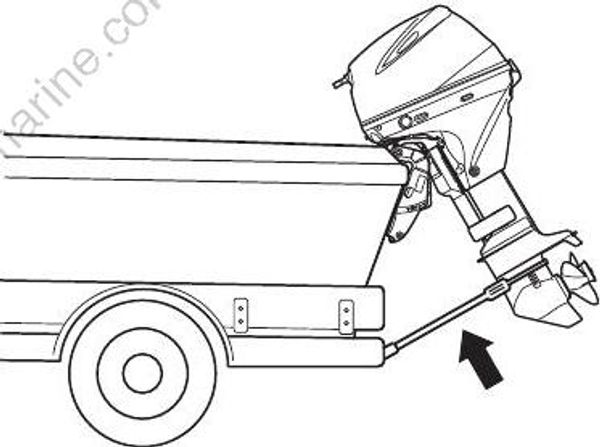
If you use the tilt up lock arm/tilt lock lever to hold the motor in the fully tilted up position when trailering the boat, towing motion or poor road surfaces may cause unexpected tilt lock release, resulting in damage to the motor and the tilt lock mechanism.
Never use the tilt up lock arm/tilt lock lever to hold the motor in the fully tilted up position when trailering the boat. Use a transom saver bar or similar device to support the weight of the motor.